02 - Regenerative Medicine

Regenerate

Your cells have the capacity to heal, renew, and rebuild - with the right support. Dr. Capasso's preferred approach uses your own stem cells, harvested and expanded from your biology, banked for continuous future use. Regener8MD offers the most advanced regenerative protocols available in Florida, guided at every step by Dr. Anthony Capasso.

Arrange Consultation Call (904) 694-0992
How Regenerative Medicine Works

Healing at the cellular level.

Conventional medicine treats symptoms. Regenerative medicine addresses the underlying biological processes - cellular damage, inflammation, tissue degeneration - that cause those symptoms in the first place. At Regener8MD, every regenerative protocol begins with your diagnostic assessment, so treatments are targeted, not generic.

Science Backing

Regenerative protocols at Regener8MD are grounded in research from Harvard Medical School, Duke University, and Yale School of Medicine - the institutions driving the science of cellular longevity. Dr. Capasso has spent 30 years studying this literature and translating it into clinical protocols that produce measurable results.

The Science Behind Stem Cell Therapy

Two of the most powerful stem cell types in regenerative medicine - both available at Regener8MD.

Autologous MSCs

Autologous Mesenchymal Stem Cells (Your Own Stem Cells)

Patient's own MSCs are Dr. Capasso's preferred approach. Using your own biology means zero rejection risk, no foreign DNA entering your body, and the ability to bank your stem cells — meaning they are harvested once, expanded in our laboratory, and stored so they are always available for future protocols. Your banked cells multiply year over year, giving you a growing reserve of your own regenerative potential.

SourcePatient's own tissue (autologous harvest)
Viability95%+ tested and confirmed before every treatment
Rejection RiskZero - your own cells, your own biology
StandardAATB certified, cGMP, FDA-registered lab, ISO 9001 + 13485
Paracrine Signaling - Secrete growth factors, cytokines, and anti-inflammatory molecules that trigger healing in surrounding tissue.
Immune Modulation - Suppress pro-inflammatory immune responses, calming chronic inflammation at the cellular source.
Cell Differentiation - Can become bone, cartilage, muscle, nerve, and organ-specific cell types to replace what aging and disease have damaged.
Angiogenesis - Stimulate new blood vessel formation, improving circulation and oxygen delivery to damaged tissue.
Endogenous Recruitment - Signal the body's own stem cells to migrate to injury sites, amplifying the regenerative cascade.
Dezawa Muse Cells

Multilineage Differentiating Stress-Enduring Cells

First discovered in 2010 by Professor Mari Dezawa at Tohoku University, Muse cells are a naturally occurring subpopulation of stem cells that combine the pluripotency of embryonic stem cells with the safety profile of adult cells - with no tumor risk. They represent what peer-reviewed research now calls a new era in stem cell-based therapy.

ClassificationStress-tolerant endogenous pluripotent stem cells
Tumor RiskNone - intrinsically non-tumorigenic (let-7 microRNA pathway)
Immune RejectionMinimal - no HLA matching or immunosuppression required
DifferentiationAll three germ layers - the broadest repair capability of any adult stem cell
Autonomous Homing - Muse cells detect the S1P distress signal released by damaged tissue and migrate directly to injury sites following IV administration. No surgical delivery required.
True Pluripotency Without Tumor Risk - Unlike iPSCs, Muse cells achieve pluripotency through the let-7 microRNA pathway - the same pathway that suppresses oncogenes. No teratoma formation reported across any clinical application or trial.
Stress Endurance - Muse cells survive environments that destroy conventional stem cells, maintaining therapeutic potency even in severely inflamed or hypoxic tissue.
Long-Term Survival - Transplanted Muse cells persist in host tissue for 6+ months without immunosuppressive treatment, providing sustained regenerative benefit far beyond a single treatment window.
Clinical Trial Evidence: Phase I/II trials have demonstrated Muse cell safety and efficacy in stroke recovery, acute myocardial infarction, ALS, spinal cord injury, and epidermolysis bullosa - with no adverse tumorigenicity reported across any trial.
Cell Quality Standards at Regener8MD
AATB Certified donor sourcing
FDA-registered, cGMP-compliant laboratory
ISO 9001 + ISO 13485 certified manufacturing
95%+ cell viability confirmed at time of treatment
Full donor screening: HIV, hepatitis, STDs, TB, Zika, cancer history
Sterility, mycoplasma, endotoxin, karyotype, flow cytometry verified
CD73, CD90, CD105 surface marker confirmation
Passage 4, xeno-free culture medium
Regenerative Treatments

Every protocol. Personally guided by Dr. Capasso.

Stem Cell Therapy

The gold standard of regenerative medicine. Regener8MD uses umbilical cord mesenchymal stem cells (MSC), Wharton's Jelly-derived cells, and Dezawa Muse Cells - the most potent, ethically sourced stem cell types available. These cells have the unique ability to migrate to sites of damage, reduce inflammation, and stimulate tissue repair at the source.

Exosome Therapy

Exosomes are the communication vehicles of the cellular world - tiny membrane-bound particles that carry growth factors, proteins, and genetic instructions between cells. Exosome therapy harnesses this natural signaling system to accelerate healing, reduce systemic inflammation, and trigger tissue regeneration at a scale that stem cells alone cannot reach.

Plasmapheresis / TPE

Therapeutic plasma exchange (TPE) - sometimes called "young blood therapy" - filters and partially replaces plasma to remove the pro-aging proteins, inflammatory markers, and cellular debris that accumulate in blood over time. Harvard research has shown plasma exchange can produce measurable biological rejuvenation.

Senolytics

Senescent cells - sometimes called "zombie cells" - are cells that have stopped functioning but refuse to die. They accumulate with age and release a toxic cocktail of inflammatory compounds that accelerate aging across the entire body. Senolytic protocols selectively clear these cells, reducing systemic inflammation and restoring healthier tissue function.

Peptide Therapy

Peptides are short chains of amino acids that act as precise biological messengers - signaling specific cellular processes like tissue repair, fat burning, immune modulation, sleep regulation, and growth hormone release. Peptide therapy allows Dr. Capasso to target specific biological processes with precision that conventional pharmaceuticals cannot match.

Clinical Benefits

What stem cell therapy addresses.

MSC therapy targets the root biological processes behind chronic disease and accelerated aging - not the symptoms they produce.

Tissue Regeneration

MSCs differentiate into tissue-specific cell types, replacing damaged cells throughout the body - from joints and cartilage to organ tissue and neural pathways.

Autoimmune Disease

Demonstrated efficacy resetting overactivated immune systems in multiple sclerosis, lupus, rheumatoid arthritis, Crohn's disease, and other autoimmune conditions.

Biological Age Reversal

By reducing chronic inflammation and replenishing damaged cells, MSC therapy measurably reverses the biological processes underlying accelerated aging - not the appearance, the biology.

Chronic Inflammation

The primary driver of most chronic disease and aging. MSCs are among the most potent anti-inflammatory agents in medicine - targeting inflammation systemically, not locally.

Neurological Conditions

Clinical trials demonstrate MSC and Muse cell therapy addressing Parkinson's disease, Alzheimer's disease, ALS, stroke recovery, and spinal cord injury through neuronal regeneration and neuroprotection.

Cardiovascular Health

Muse cell clinical trials have demonstrated improved ventricular function and reduced infarct size in acute myocardial infarction, with benefits sustained through 6+ months of follow-up.

Organ Function Restoration

MSCs migrate to damaged organ tissue - liver, kidney, lung - and differentiate into functional organ-specific cells, potentially restoring capacity that disease or aging has eroded.

Metabolic Health

Research has demonstrated stem cell therapy's ability to regenerate insulin-producing beta cells, improve metabolic efficiency, and address the cellular dysfunction behind metabolic syndrome and type 2 diabetes.

Vitality & Performance

Patients consistently report increased energy, stamina, mental clarity, libido, sleep quality, strength, and balance - reflecting systemic biological improvement, not symptom suppression.

Conditions where stem cell therapy has shown clinical benefit
Multiple SclerosisALSParkinson's DiseaseAlzheimer's DiseaseStroke RecoverySpinal Cord InjuryRheumatoid ArthritisLupusCrohn's DiseaseType 1 DiabetesType 2 DiabetesMyocardial InfarctionHeart DiseaseCOPDKidney DiseaseLiver Disease / CirrhosisOsteoarthritisChronic Joint PainSports InjuriesLong COVIDLyme DiseaseChronic InflammationMacular DegenerationPeripheral NeuropathyChronic FatigueIBDHypoxic Ischemic Encephalopathy

This list represents conditions where peer-reviewed research has demonstrated clinical benefit. Individual eligibility and outcomes vary. Dr. Capasso will assess your specific biology during your diagnostic consultation.

Frequently Asked Questions

Everything you want to know about stem cell therapy.

Are mesenchymal stem cells safe?
Yes. Multiple peer-reviewed studies confirm MSCs have an excellent safety profile. They carry no viral DNA, no cancer risk, and no rejection risk when properly sourced and quality-tested. The most common short-term effects are mild fatigue, a brief headache, or slight nausea - all transient and monitored by Dr. Capasso during treatment.
Will my body reject the stem cells?
No. Umbilical cord-derived MSCs are immune-privileged - they naturally evade the immune system's rejection response. They do not require HLA matching, blood type matching, or immunosuppressive drugs before or after treatment. This is one of the primary reasons UC-MSCs are preferred over bone marrow or fat-derived cells.
What is the difference between MSCs and Muse cells?
MSCs are multipotent - they can differentiate into a defined range of cell types. Muse cells are a rare subpopulation found within MSC populations that are truly pluripotent - capable of differentiating into cells from all three biological germ layers. Muse cells also have autonomous homing capability and are intrinsically non-tumorigenic, making them among the most advanced therapeutic stem cells available.
Can stem cells cause cancer or tumors?
Not with the cell types used at Regener8MD. Umbilical cord-derived MSCs have extremely low telomerase activity and no evidence of tumorigenicity in clinical studies. Muse cells are intrinsically non-tumorigenic - their biology actively suppresses oncogenic pathways through the let-7 microRNA mechanism. Embryonic stem cells and iPSCs carry teratoma risk; the cells used at Regener8MD do not.
How do stem cells know where to go in the body?
Damaged tissue releases a distress signal called sphingosine-1-phosphate (S1P). MSCs and Muse cells carry surface receptors (S1PR2) that detect this signal and cause them to migrate toward injury sites following IV administration. This autonomous homing mechanism is what makes IV delivery effective - the cells navigate to where repair is needed without surgical targeting.
Do stem cells get trapped in the lungs?
The "pulmonary first pass effect" is a documented phenomenon where some cell types lodge temporarily in pulmonary capillaries after IV administration. UC-MSCs at optimal size navigate this efficiently. Cells briefly present in lung tissue still exert therapeutic benefit through paracrine signaling, and the majority proceed to damaged tissue sites via the S1P homing mechanism.
Can stem cells help with aging?
Yes. Aging is fundamentally a process of accumulated cellular damage, chronic low-grade inflammation, and depleted regenerative capacity. MSC therapy addresses all three: replacing damaged cells, reducing systemic inflammation, and restoring the body's natural regenerative signaling. Patients consistently report improvements in energy, mental clarity, physical capacity, skin health, libido, and measurable reductions in biological age markers.
How long do the effects of stem cell therapy last?
Results vary by individual, condition, and lifestyle. Patients who maintain an active lifestyle, follow an anti-inflammatory diet, and minimize alcohol and tobacco see sustained benefits for 2–4+ years. Muse cell clinical trials have documented functional improvements maintained through 52-week follow-up periods. Dr. Capasso tracks your biomarkers continuously to measure and sustain the biological improvement.
Are the stem cells frozen? Does that affect quality?
Cells are cryogenically preserved at -150°F immediately after expansion - a standard protocol that maintains cell integrity without degrading therapeutic potency. Before every treatment, cells are carefully thawed and viability-tested to confirm they meet specification (minimum 80%, target 95%+). Treatment is not administered until Dr. Capasso confirms viability meets standard.
Are there ethical concerns with stem cell therapy?
Not with the approach used at Regener8MD. All cells are adult mesenchymal stem cells - not embryonic or fetal. They are ethically sourced from voluntarily donated, full-term human umbilical cords through AATB-certified suppliers. No embryos are used or harmed at any stage of the process.
Where do the donor cells come from?
All cells are sourced from voluntarily donated, full-term human umbilical cords through AATB-certified suppliers. Every donor undergoes comprehensive screening for HIV, hepatitis A/B/C/D, STDs, TB, Zika virus, HTLV 1 and 2, cancer history, autoimmune disease, chronic illness, and CJD. Cords from donors with any positive test result are rejected.
How is the quality of stem cells verified?
Every batch undergoes a comprehensive QC panel before treatment: sterility testing, mycoplasma PCR, endotoxin assay, karyotype analysis (confirms normal 46-chromosome composition), flow cytometry (confirms CD73, CD90, CD105 surface markers), potency testing (ATP cellular content), and cytokine secretion analysis. Cells must pass every test before Dr. Capasso approves their use.
Will I need more than one treatment?
Most patients see significant results from a single treatment protocol. Stem cell therapy is designed to produce long-term biological improvement - not monthly maintenance. Some patients choose to return as their biology evolves. Dr. Capasso tracks your biomarkers over time and advises based on what he sees in your data, not a predetermined schedule.
Is stem cell therapy right for me?
The first step is the Longevity Diagnostic Assessment - Dr. Capasso's comprehensive 180+ biomarker evaluation. He won't recommend a regenerative protocol until he's read your data. That assessment tells him which treatments your biology will respond to, what outcomes are realistic for your specific situation, and what to measure as you progress. That's the starting point for everyone at Regener8MD.
Can you use umbilical cord-derived stem cells instead of my own?
Yes. Umbilical cord-derived MSCs are available and have been widely used in regenerative medicine. However, Dr. Capasso's strong preference is to use your own stem cells whenever possible. With autologous MSCs, there is zero risk of your immune system rejecting the cells, no foreign DNA enters your body, and you can bank your cells for future use. Your banked stem cells are expanded in our laboratory and multiply over time, so they are always available for your next protocol - without requiring another harvest. For patients who are not good candidates for autologous harvest, UC-MSCs remain an excellent alternative, and Dr. Capasso will advise which approach is right for your specific case.
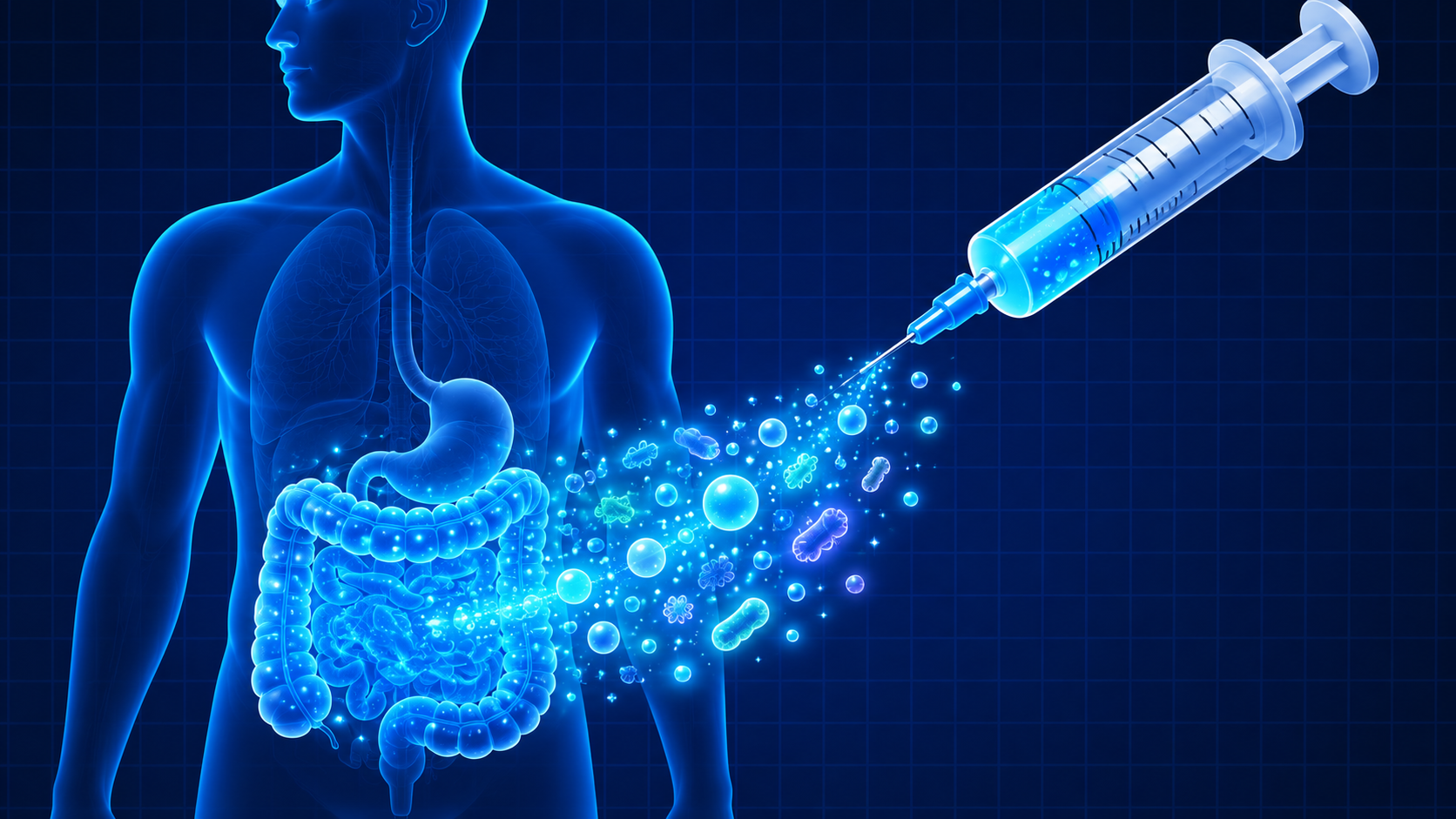
The Starting Point

Every regenerative protocol begins with your diagnostic assessment.

Dr. Capasso won't recommend a treatment until he's read your biomarkers. The assessment tells him what your body needs - then the regenerative protocol is built around those findings.

Arrange Consultation Learn About Testing First